_edited.png)
Your Work Ethic Speaks Before You Do

How Your Work Ethic Influences the Room
Here is an uncomfortable truth: people are forming opinions about how you work even when nobody is giving you feedback. They notice whether you follow through, whether you need reminders, how you respond when things get difficult, and what happens when nobody is watching. You may think you are simply completing assignments, answering emails, attending meetings, or doing your job, but you are communicating something much bigger. Your work ethic teaches people what to expect from you.
And that reputation can create opportunities before you ever know they exist.
People Are Paying Attention
Early in my career, I thought doing good work was mostly about completing what I was assigned. If I finished the task, met the deadline, and stayed out of trouble, I was doing what I was supposed to do. Over time, I learned that the workplace operates differently.
People remember how you make work easier or harder for everyone around you.
They remember who comes prepared. They remember who follows through without being chased. They remember who takes ownership when something goes wrong instead of immediately looking for someone else to blame.
That does not mean you have to be perfect. I have made mistakes, missed things, misunderstood expectations, and had moments when I questioned whether I was ready for the opportunities in front of me. At times, imposter syndrome made me wonder whether everyone else knew something I didn’t.
Growth taught me that credibility is not built by pretending you have everything figured out. Credibility comes from becoming someone people can trust to learn, adjust, communicate, and deliver.
Try this: For the next seven days, pay attention to one thing. When someone gives you a responsibility, do they have to follow up with you, or can they trust that you will follow through?
Your Habits Are Building Your Reputation
One of the biggest career mistakes you can make is assuming your reputation is based only on the quality of your final product.
It isn’t.
Your reputation is also shaped by the small habits around the work and by showing up prepared. Responding professionally. Asking thoughtful questions. Meeting deadlines. Communicating early when something may be delayed. Taking notes instead of repeatedly asking for the same information.
None of those behaviors sound exciting, but consistency is often what separates talented people from trusted professionals.
Ask yourself: If my manager, professor, coworker, or client described my work ethic when I wasn’t in the room, what would I want them to say?
Now ask the harder question: Have my actions earned that description?
Do not beat yourself up if the answer exposes an area that needs improvement. Use it. Pick one habit during the next 7 to 30 days and intentionally strengthen it.
Hard Work Is Not the Same as Effective Work
This lesson took me time to understand.
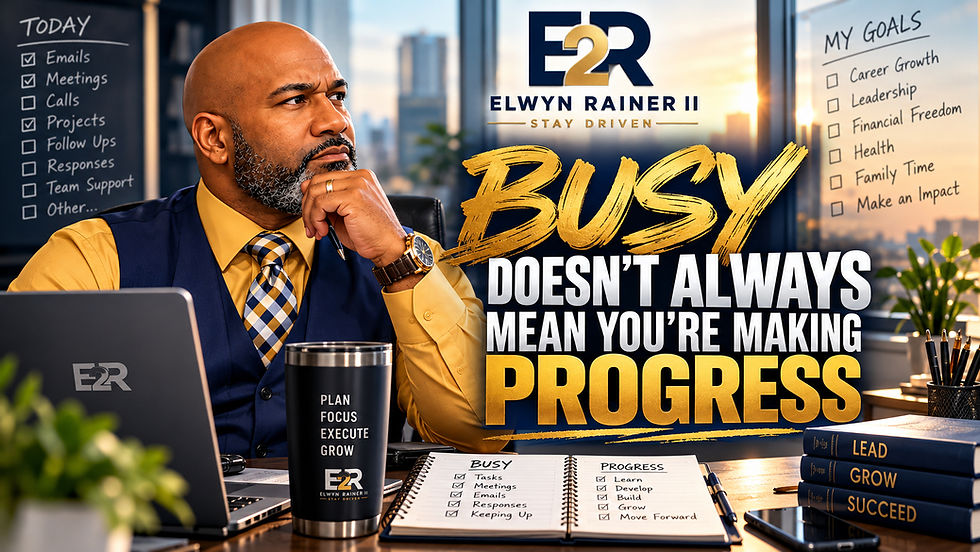
You can work extremely hard and still be working on the wrong things. You can stay busy all day, answer every notification, attend every meeting, and finish exhausted while making very little progress toward your actual goals.
Being busy can make you feel productive without making you more valuable.
As your career grows, learn to ask better questions: What matters most right now? What problem am I helping solve? What result does my organization actually need from me?
Then organize your effort around the answer.
That shift matters because your goal should not simply be to become known as someone who works hard. Become known as someone who produces meaningful results.
Work Ethic Is Also a Leadership Skill
You do not need a management title to influence the standard of a room.
When you consistently show preparation, accountability, humility, discipline, and follow-through, other people notice. Sometimes they begin raising their own standards because of what they see from you.
That is leadership.
Imagine your team has an important deadline approaching. Everyone is stressed, communication is slipping, and people are beginning to point fingers. Who are you in that moment?
Are you adding to the chaos, or are you helping create clarity?
Leadership often reveals itself when circumstances become inconvenient. Your response under pressure can tell people more about your leadership potential than your résumé ever will.
Protect Your Ambition From Burnout
There is another side of work ethic we need to talk about.
Working hard does not mean sacrificing your health, relationships, finances, peace, and entire identity to prove that you deserve an opportunity. Burnout is not a badge of honor.
A mature work ethic includes discipline outside of work too. Learn how to manage your time. Build healthy financial habits. Rest. Keep your commitments. Develop skills that increase your value. Make decisions today that give your future self more options.
Success is bigger than getting the title or earning more money.
The goal is alignment: building a career, life, leadership style, and financial foundation that support the person you are becoming.
Your Next 30 Days Matter
You do not need to reinvent yourself Monday morning.
Start smaller.
Choose one behavior that would immediately make you more dependable, effective, or valuable. Maybe you need to stop procrastinating. Maybe you need to communicate sooner. Maybe you need to prepare better for meetings. Maybe you need to stop waiting for someone to tell you what to do next.
Practice that behavior intentionally for the next 30 days.
Then ask yourself: What changed in how I see myself, how I work, and how other people respond to me?
That is how growth becomes visible.
Your work ethic will not guarantee that every opportunity comes when you want it. But it can prepare you for opportunities you cannot see yet.
Do the kind of work today that your future reputation will thank you for.
And if you are trying to figure out what your next level looks like, whether that means career clarification, stronger professional habits, leadership development, or becoming more intentional about where your life is headed, I would be glad to talk with you. Sometimes you do not need another motivational quote. You need a real conversation, an honest assessment, and a strategy for moving forward.
What is one work habit you know could change your career if you improved it over the next 30 days?
Leave a comment and share your answer. If this article reminded you of someone who is working toward their next level, share it with them. Connect with and follow Elwyn Rainer II and ER2 LLC for practical conversations about career growth, leadership, financial responsibility, personal development, and real-world success.
Lead. Grow. Succeed. Stay Driven.


Comments